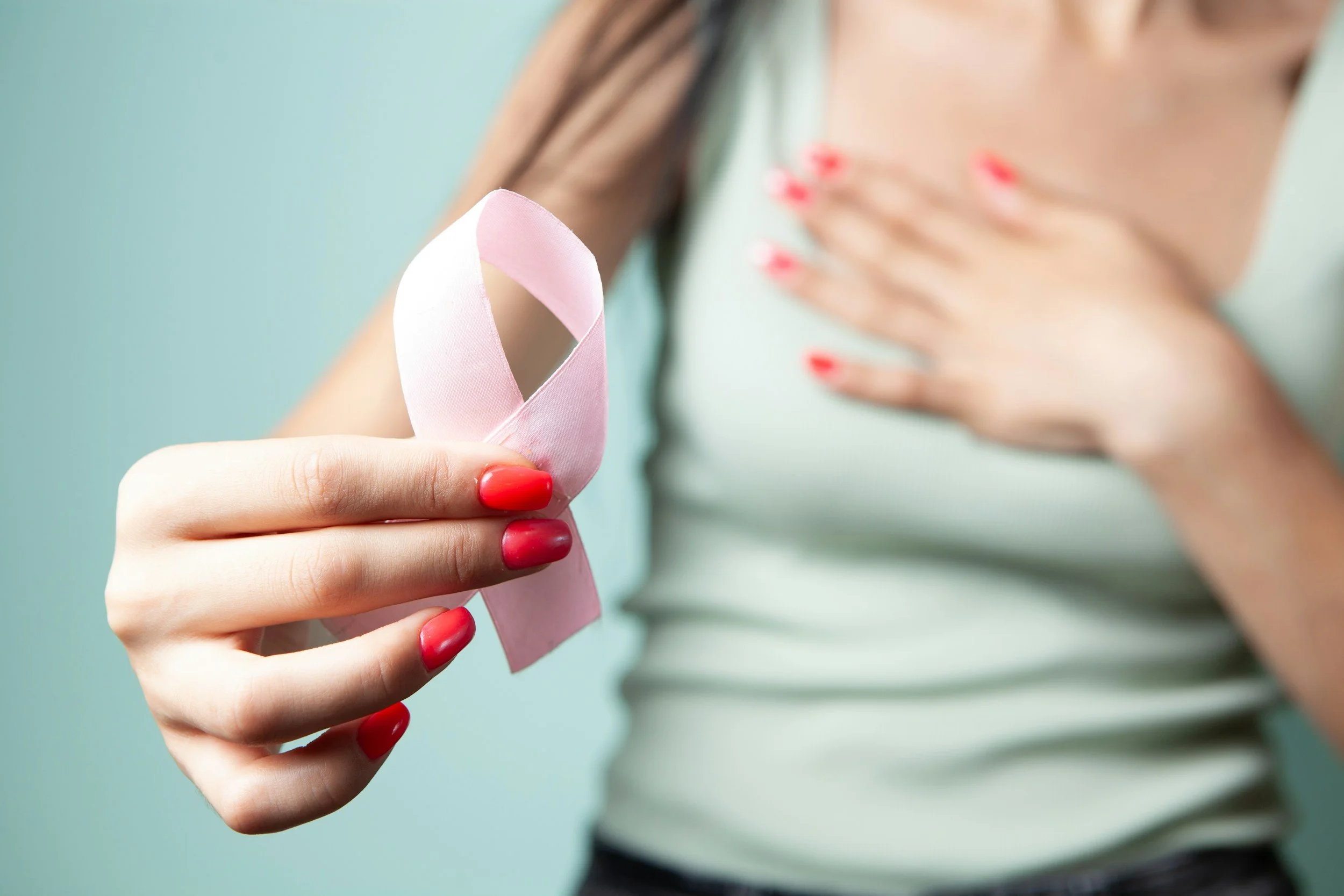
Breast Cancer and Mental Health: Understanding Your Emotions and Finding Ways to Cope
A breast cancer diagnosis can change many aspects of a woman's life. Along with the physical demands of treatment, women may experience fear, anxiety, sadness, and uncertainty about the future. While much of the focus naturally centers on treating the cancer itself, emotional well-being is also an important part of the healing journey.
At The Parks Center for Women’s Wellness and Medicine, we recognize the connection between physical and mental health. Understanding how a diagnosis can affect emotional well-being and learning ways to navigate these feelings can help women feel more supported throughout diagnosis, treatment, and survivorship.
The Emotional Impact of a Breast Cancer Diagnosis
Anxiety and emotional distress are often particularly intense shortly after diagnosis, when there may be many unanswered questions and important treatment decisions to make. During treatment, physical side effects, fatigue, changes in body image, and disruptions to daily life can contribute to sadness, anxiety, or depression. Emotional challenges may continue after treatment ends, when some women experience fear of recurrence or struggle to adjust to life after cancer treatment.¹,²
There is no universal timeline for these emotions. Every woman's experience is different, and struggling emotionally does not mean you are coping poorly.
How We Cope Matters
Research suggests that coping strategies can influence emotional well-being and quality of life following a breast cancer diagnosis. Approaches such as accepting emotions, expressing feelings, problem-solving, and seeking social support are associated with better psychological outcomes. In contrast, persistent avoidance, denial, and feelings of helplessness are associated with greater distress.³,⁴
This does not mean women are responsible for their emotional struggles. Rather, understanding coping patterns can help identify strategies that may support mental health.
Five Ways to Support Your Emotional Well-Being
1. Allow yourself to feel your emotions.
Fear, sadness, anger, and uncertainty are understandable responses to a difficult experience. Talking with someone you trust, writing down your feelings, or working with a mental health professional can help you process what you are experiencing. You do not have to be positive every day.¹,²
2. Focus on what you can control.
Gathering reliable information, preparing questions for your medical team, and breaking challenges into smaller steps can help restore a sense of direction when the future feels uncertain.
3. Practice acceptance without giving up hope.
Acceptance means acknowledging your circumstances without judging yourself for how you feel. You can recognize that something is difficult while still pursuing treatment and hoping for a positive outcome.³,⁴
4. Let others support you.
Friends, family, support groups, and mental health professionals can offer emotional reassurance and practical help. You do not have to navigate this experience alone. Accepting support is not a sign of weakness.¹,³
5. Make room for meaning and connection.
Spending time with loved ones, maintaining familiar routines, engaging in enjoyable activities, or exploring spirituality may provide comfort. This does not mean forcing yourself to find a silver lining. Hope and fear can exist together.
When Avoidance Becomes a Pattern
Taking a break from thinking about cancer can be helpful when emotions feel overwhelming. However, when avoidance becomes the primary way of coping, it may become harder to process feelings or seek needed support. Research has associated persistent avoidant coping with greater psychological distress and depressive symptoms in women with breast cancer.³,⁴
These patterns are not personal failures. Avoidance often develops as an attempt to protect ourselves from painful emotions. Recognizing it can be the first step toward finding additional ways to cope.
When to Seek Mental Health Support
If sadness, anxiety, hopelessness, or emotional exhaustion persist or begin interfering with daily life, consider reaching out to a mental health professional. Depression and anxiety are treatable, and you do not need to wait until symptoms become severe to ask for help.¹,²
Whenever possible, seek a provider who understands the emotional challenges of serious medical illness and the relationship between physical and psychological well-being.
Your Mental Health Matters, Too
Coping well does not mean staying positive, being strong every day, or handling everything on your own. Sometimes, caring for yourself means acknowledging that you are struggling and allowing others to help.
Your mental health deserves attention at every stage of the breast cancer journey, from diagnosis through treatment and survivorship.
At The Parks Center for Women’s Wellness and Medicine, we believe women deserve compassionate, individualized mental health care that recognizes the connection between mind and body.
This blog post is for general educational purposes and isn't a substitute for individualized medical advice. If you're struggling with your mental health, please reach out to a licensed provider.
References
National Cancer Institute. Adjustment to Cancer: Anxiety and Distress (PDQ®)—Patient Version. National Institutes of Health. Available at: https://www.cancer.gov/about-cancer/coping/feelings/anxiety-distress-pdq
National Cancer Institute. Depression (PDQ®)—Patient Version. National Institutes of Health. Available at: https://www.cancer.gov/about-cancer/coping/feelings/depression-pdq
Carver CS, Pozo C, Harris SD, et al. How coping mediates the effect of optimism on distress: A study of women with early stage breast cancer. Journal of Personality and Social Psychology. 1993;65(2):375–390.
Stanton AL, Danoff-Burg S, Cameron CL, et al. Emotionally expressive coping predicts psychological and physical adjustment to breast cancer. Journal of Consulting and Clinical Psychology. 2000;68(5):875–882.
About the Author
Shannon Parks, DO, is a Diplomate of the American Board of Psychiatry and Neurology and Founder and Medical Director of The Parks Center for Women’s Wellness and Medicine in Tinton Falls, NJ. She is recognized for delivering elevated root-cause-driven integrative psychiatric care and for advancing comprehensive mental health treatment for women.
